Island guide
Top 10 Things to Do in Ilha Grande
106 beaches, no cars, pristine Atlantic Forest — and most visitors only scratch the surface. Here's what's actually worth your time on Brazil's most unspoiled island.
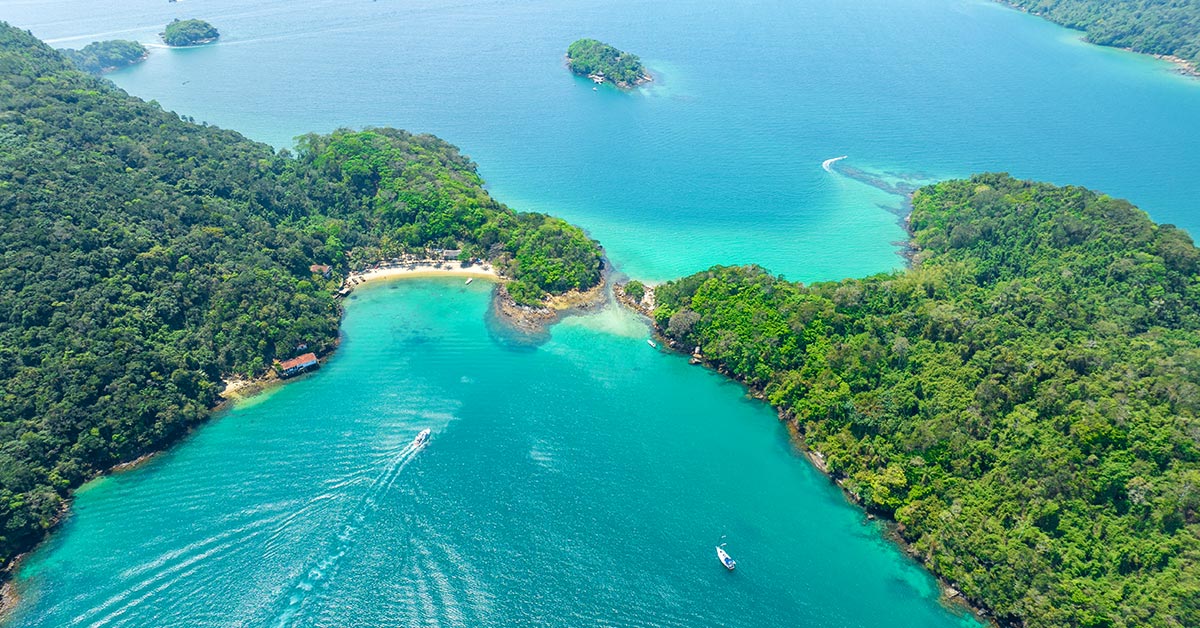
106 beaches, no cars, pristine Atlantic Forest — and most visitors only scratch the surface. Here's what's actually worth your time on Brazil's most unspoiled island.
Ilha Grande is unlike anywhere else in Brazil. A former penal colony turned ecological reserve, the island has no cars, no roads between villages, and over 100 beaches hidden along 193 km of coastline. Getting here takes a little effort — but it's worth every minute.
Whether you have 2 days or 2 weeks, these are the experiences that define a visit to Ilha Grande. We've left off the tourist-trap boat tours and the overcrowded spots in favour of what actually makes the island special.
Consistently ranked among the top beaches in all of Brazil, Lopes Mendes is a 3.5 km stretch of white sand backed by Atlantic Forest, with shallow turquoise water and almost no development. There are no bars, no beach chairs for hire — just the beach exactly as it should be.
Getting there is part of the experience: a 1.5-hour hike through the forest from Vila do Abraão, or a 20-minute boat ride. Go early in the morning to beat the crowds and have the best light for swimming. Come high season (December–January), arrive before 9am or it loses some of its magic.
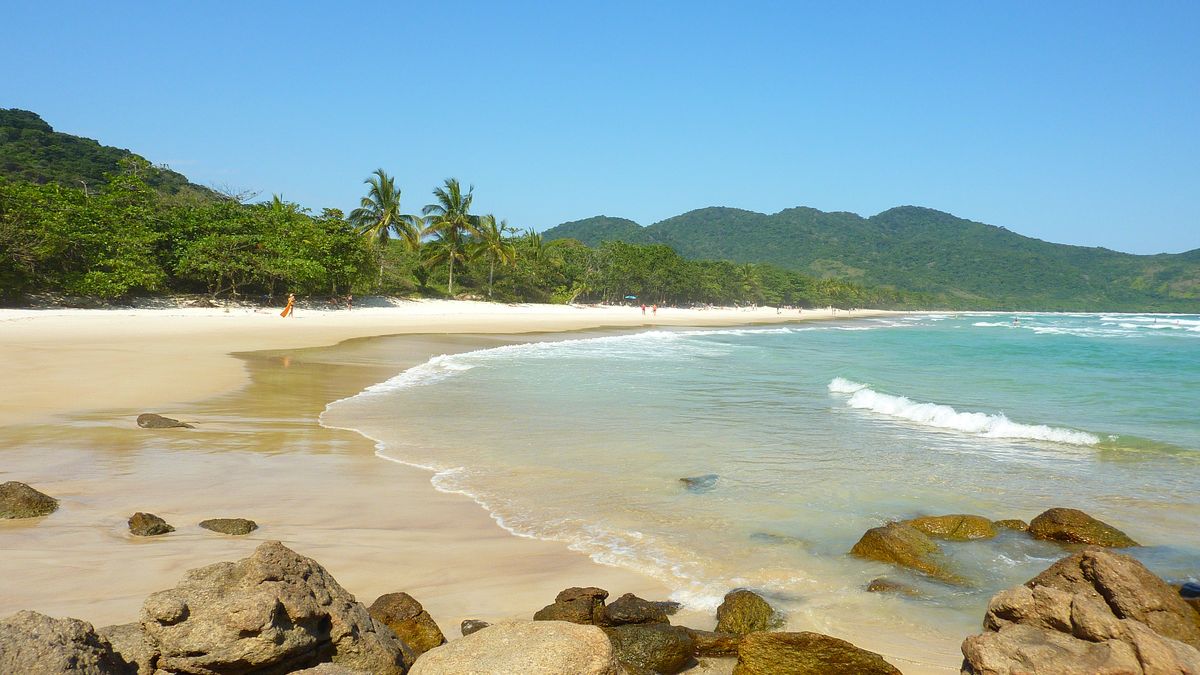
The Lagoa Azul (Blue Lagoon) is one of Ilha Grande's most iconic spots — a sheltered bay where the sea floor is shallow enough to see every detail of the reef, and the water shifts from emerald to deep turquoise depending on the time of day. It's a favourite stop on boat tours, but hiring a small lancha (motorboat) privately means you can arrive before the tour groups.
Snorkelling here is exceptional: visibility is often 10–15 metres, and you'll spot schools of reef fish, sea turtles, and occasionally rays. Bring your own snorkel gear or rent it in the village before departure. The lagoon is best accessed by boat (about 20 minutes from Abraão).
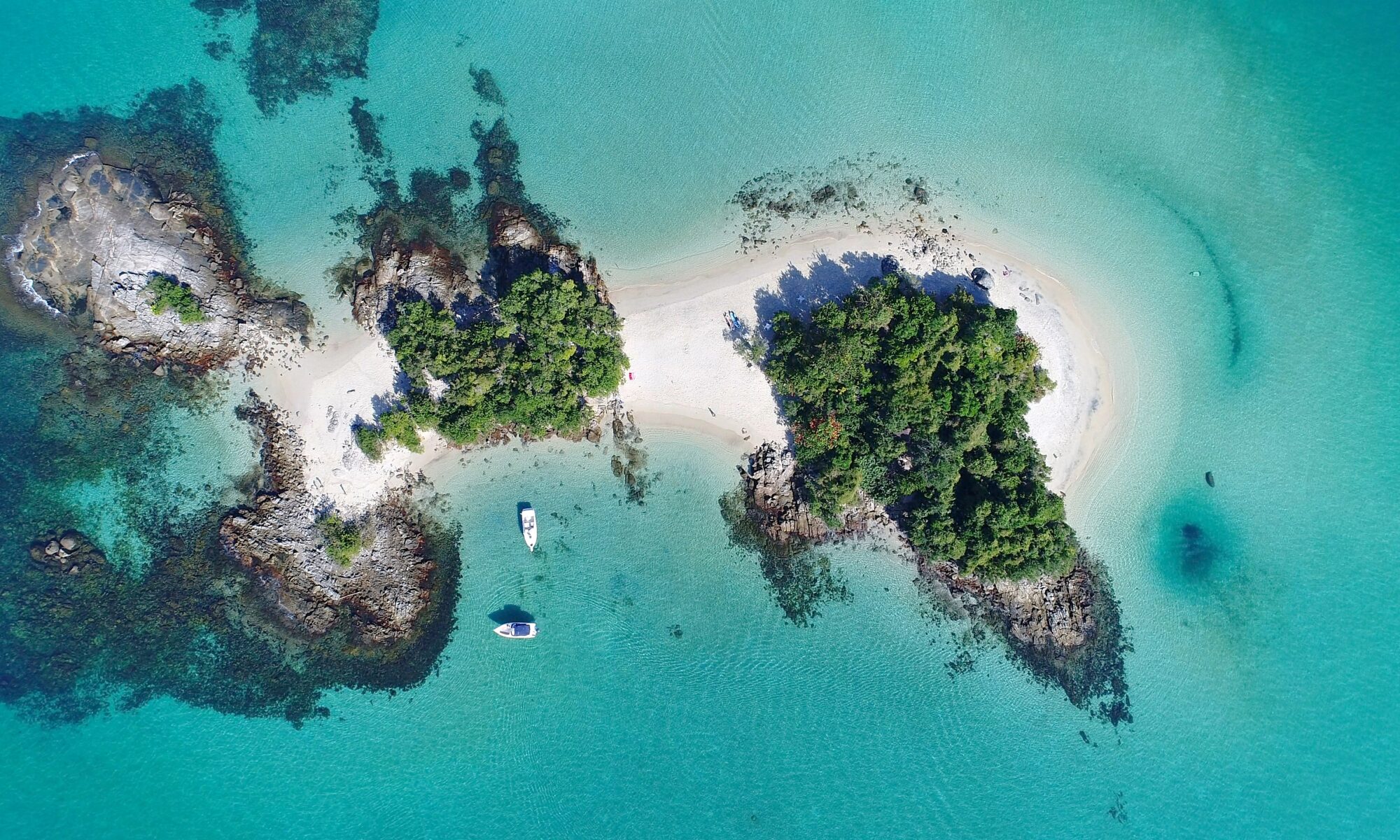
For those who want to explore the island on foot, the Dois Rios Trail is the definitive hike. It takes around 2 hours each way through dense Atlantic Forest, following old dirt paths to the remote south coast of the island where a wide, uncrowded beach meets the ruins of the island's old federal prison — Colônia Penal Cândido Mendes, closed in 1994.
The combination of dramatic history, jungle, and beautiful beach is unique. Bring plenty of water, sunscreen, and insect repellent. Guides are available in the village for those who prefer company — worth it if you're unfamiliar with jungle trails.
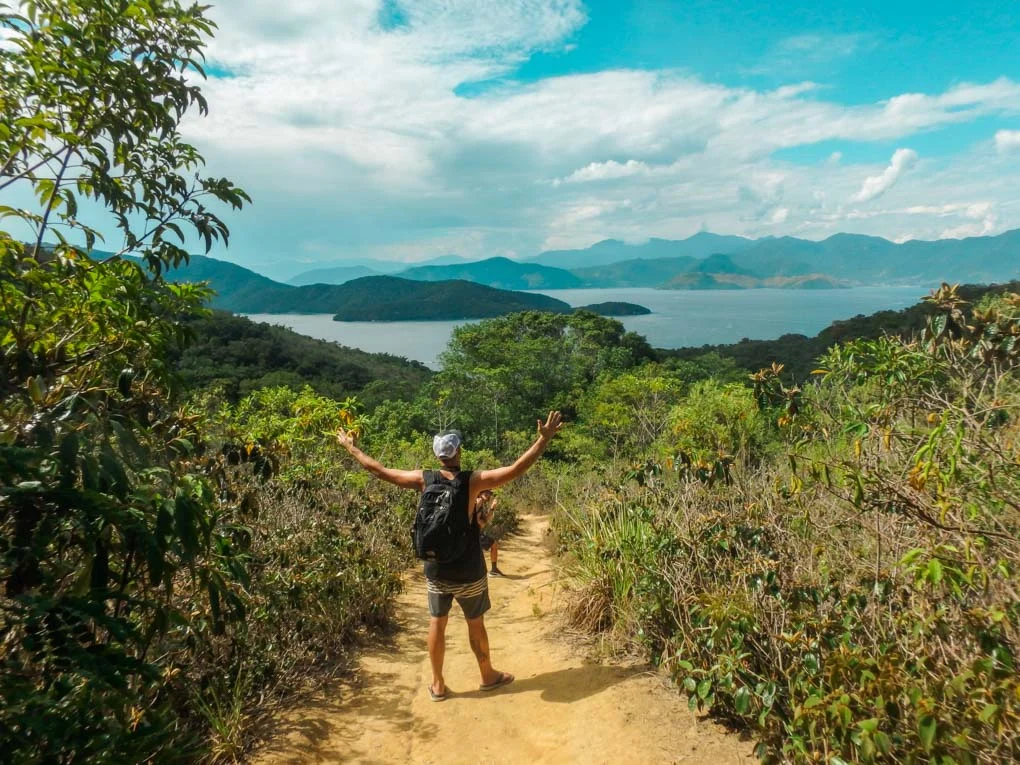
At 982 metres, Pico do Papagaio (Parrot's Peak) is the highest point on Ilha Grande. The hike to the summit takes 3–4 hours round trip and is genuinely challenging — steep, rooty, and slippery when wet — but the view from the top is extraordinary: the entire island laid out below, the mainland coast, and on a clear day, the horizon all the way to Rio.
Start very early (before 7am) to make the most of the cool morning air and to catch the clouds before they close in around the peak. A guide is strongly recommended. Check weather forecasts the night before — in cloud, the summit views disappear.
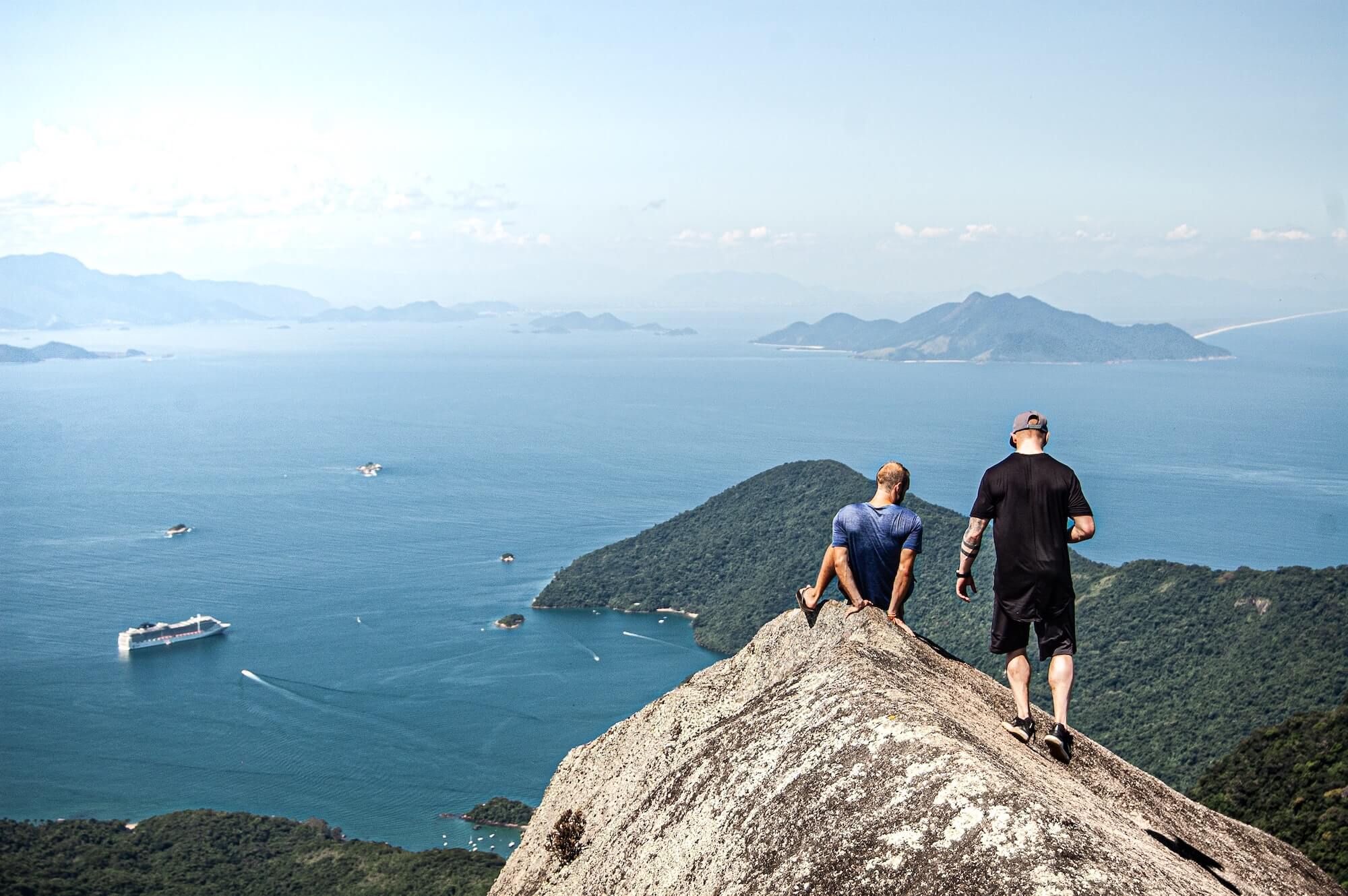
Praia do Aventureiro is one of Brazil's most remote and protected beaches — accessible only by boat (2 hours from Abraão), it sits inside an ecological reserve and has strict visitor limits. No more than 200 people are allowed at one time, which means it stays genuinely quiet even in high season.
The beach itself is spectacular: a wide arc of sand with powerful surf, backed by dense forest and freshwater streams. There are a handful of simple pousadas and food stalls run by resident families. Boats leave from the Abraão pier — book your return ticket on arrival as boats fill up quickly in the afternoon.
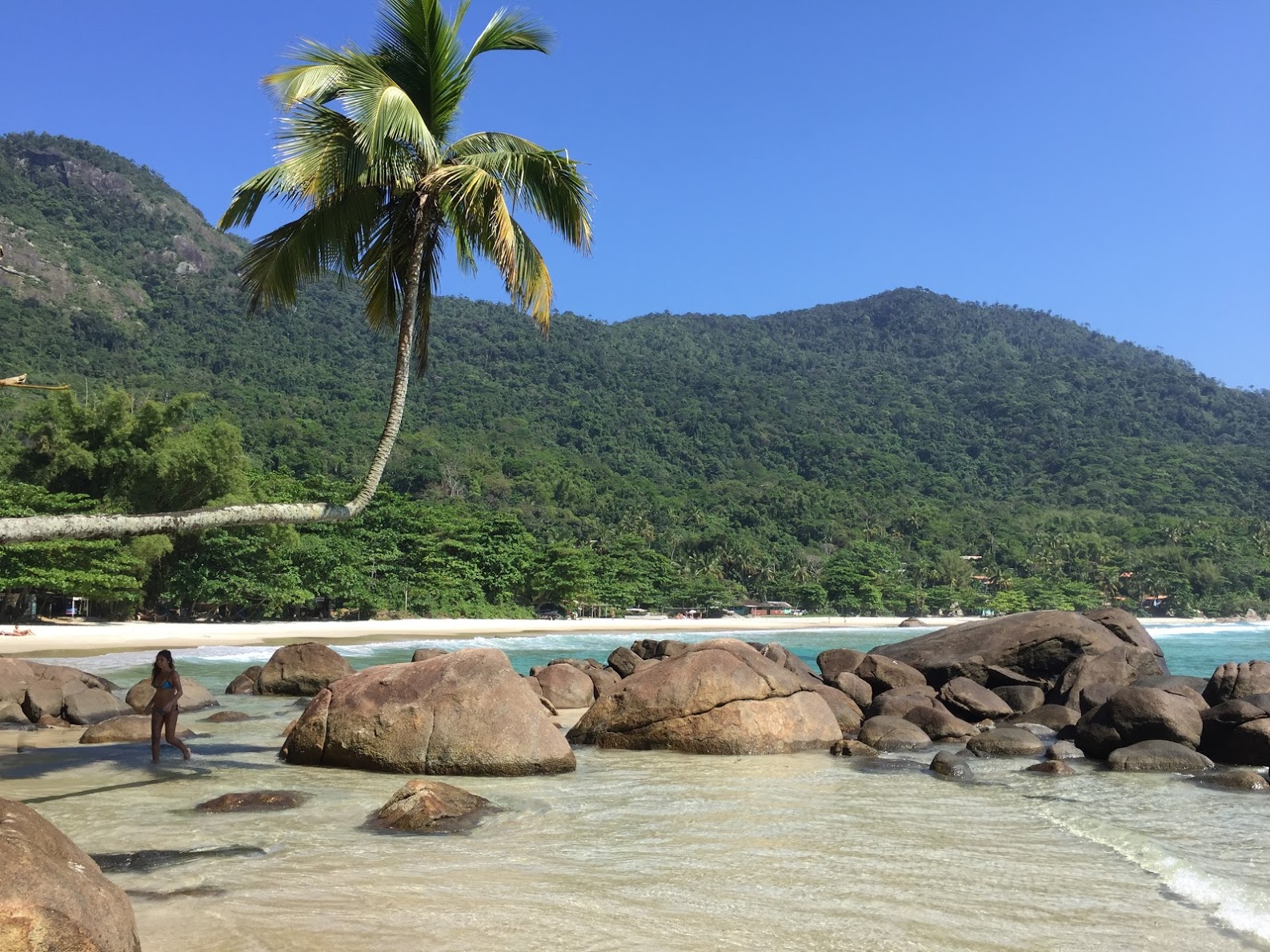
The Gruta Azul (Blue Cave) is a sea cave on the south coast of the island accessible only by boat, where light refracts through the water to illuminate the cave interior in shades of electric blue and green. The effect is most dramatic on sunny mornings between 10am and noon, when the sun angle hits the cave entrance directly.
Most boat tour operators include the Gruta Azul on their island circuit. It's typically combined with Lagoa Azul and a beach stop on the same half-day trip. You can swim inside the cave when the sea is calm — one of the most memorable swims on the island.
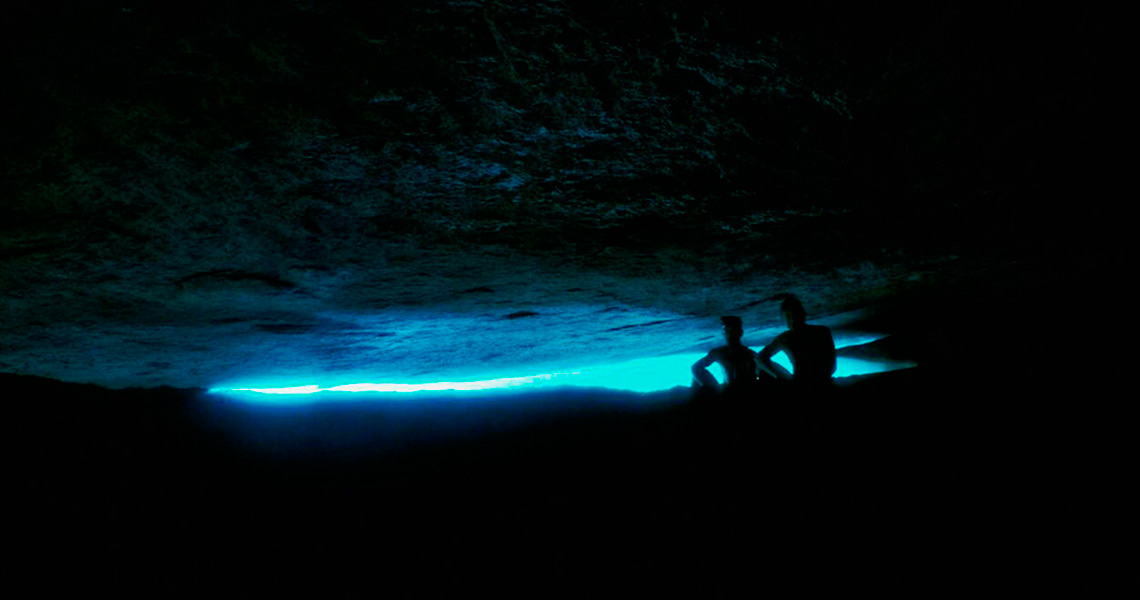
The island's main village, Vila do Abraão, is often treated only as an arrival point — but it's worth exploring properly, especially in the evening. The waterfront comes alive after sunset with open-air restaurants serving fresh seafood, cold caipirinhas, and grilled fish. Local musicians play in the bars, and the pace is exactly right.
The village has a genuinely local character despite the tourism — families who've lived here for generations run most of the restaurants and pousadas. Try the moqueca de frutos do mar (seafood stew) at one of the family-run spots along the main drag. It's among the best food on the Costa Verde.
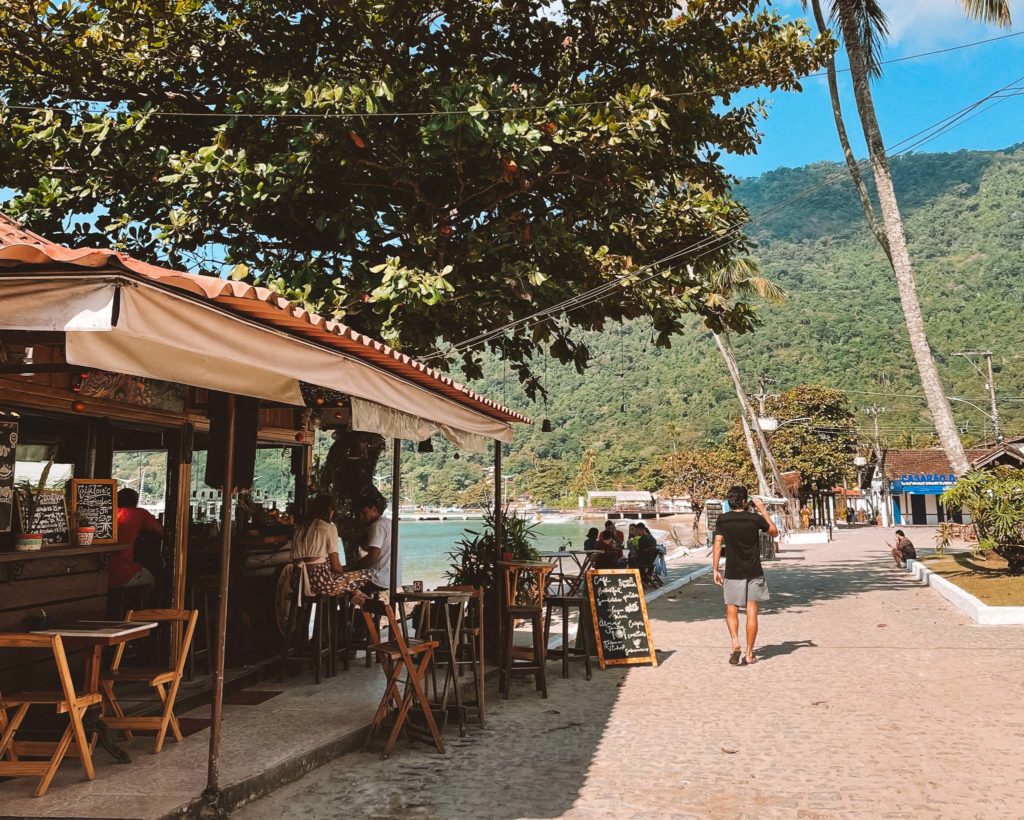
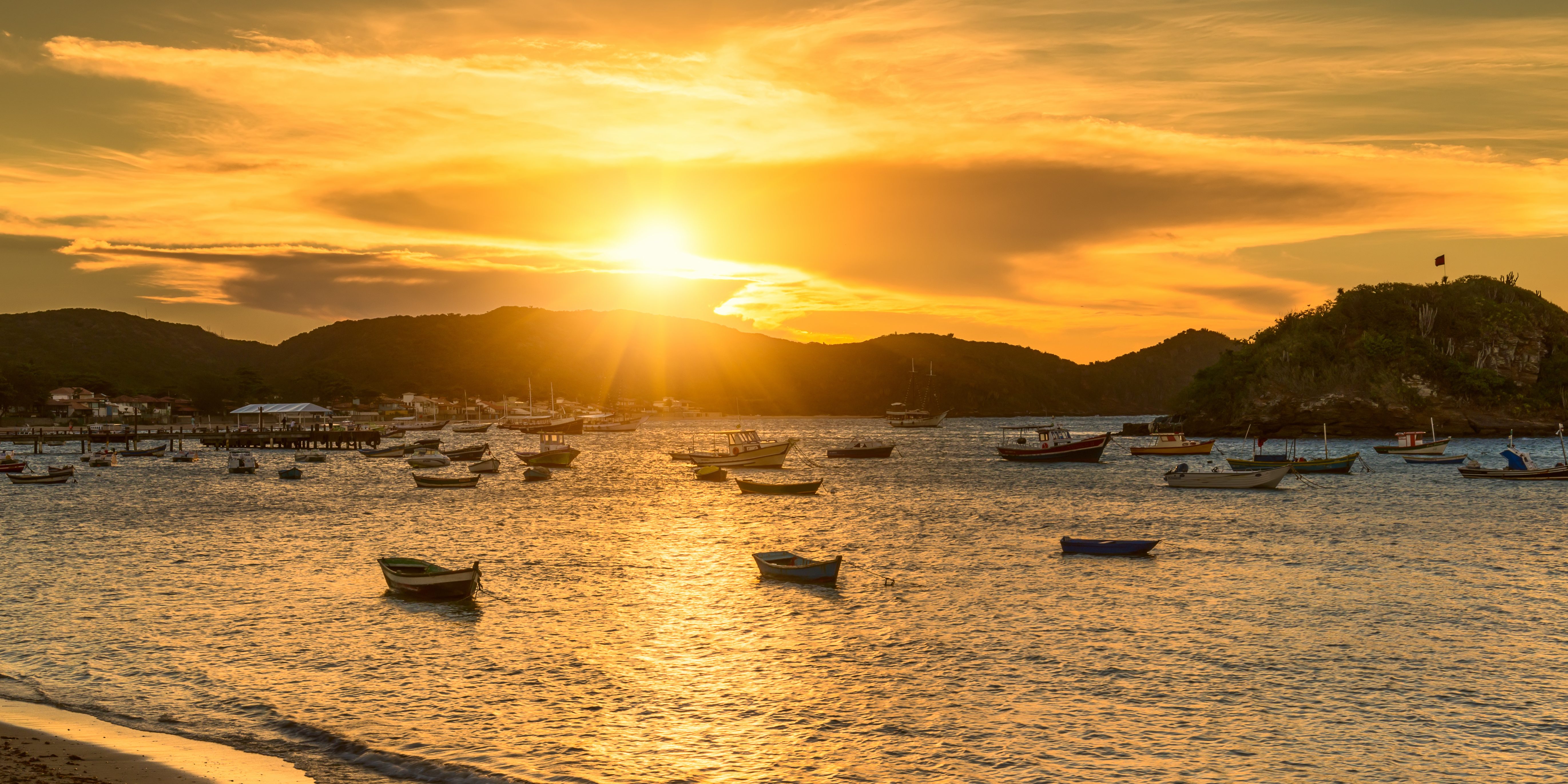
Ilha Grande's food scene is underrated. Fresh catch arrives daily from local fishing boats, and the island's isolation means restaurants have to cook from scratch. Prawn moqueca, grilled carapeba (a local white fish), bobó de camarão (shrimp in cassava cream), and wood-fired pizzas are all done remarkably well here.
Most of the best food is at small, family-run spots with handwritten menus and plastic chairs — don't let the lack of atmosphere put you off. For dessert, look for fresh açaí bowls (the real thing, not the sweetened commercial version) — served thick, cold, and with banana by street vendors in the village.
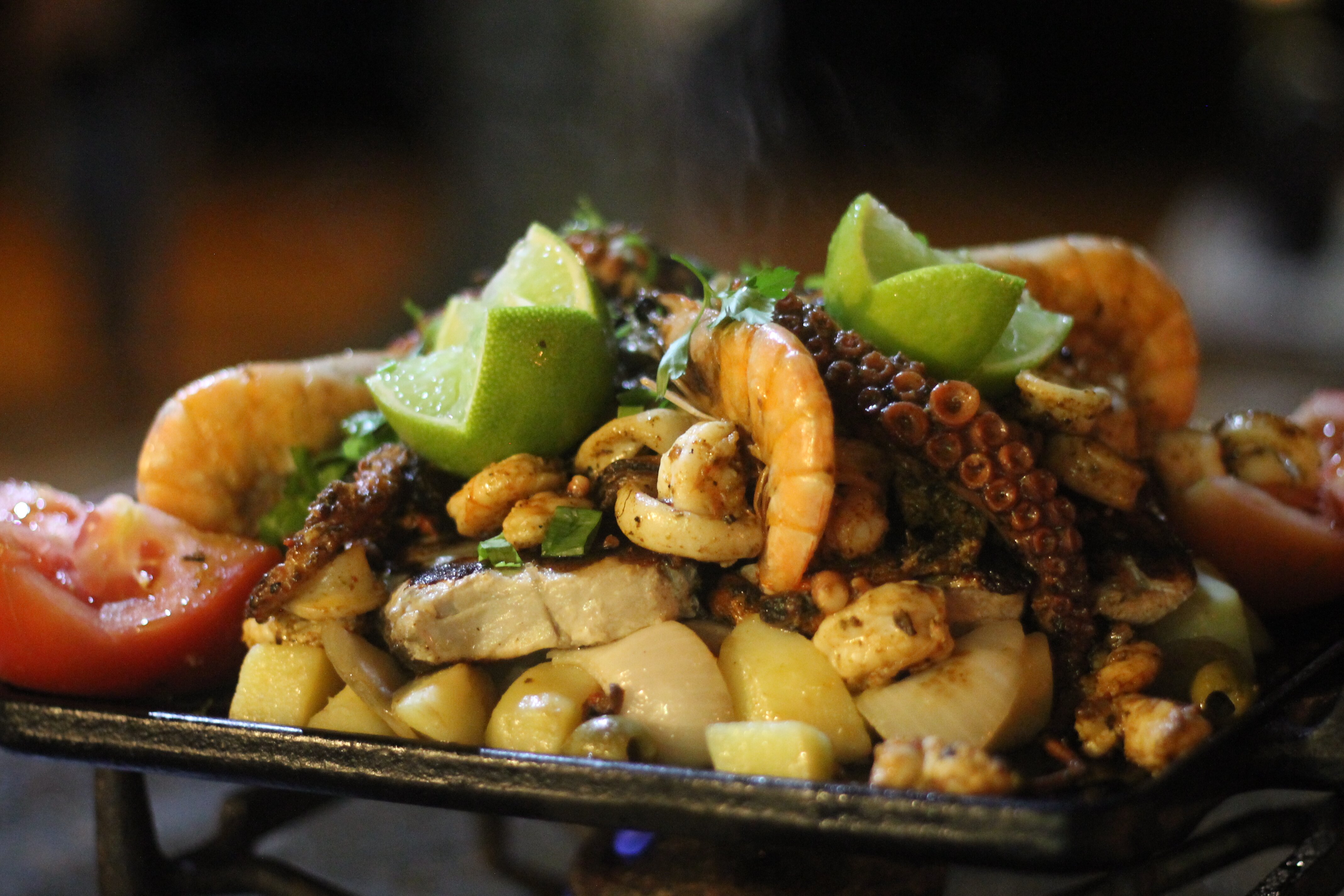
The waters around Ilha Grande contain some of the most diverse marine life on the southeastern Brazilian coast. Several dive operators in Vila do Abraão run PADI certified courses and guided dives to reef sites teeming with moray eels, parrotfish, barracuda, and reef sharks. Water temperature sits around 24–27°C year-round.
For non-divers, the snorkelling at Preta Beach and Lagoa Verde (Green Lagoon) rivals anything in the Caribbean. Lagoa Verde in particular has crystalline water and abundant coral within 2 metres of the surface — no experience needed. Rental gear is available at dive shops and from most boat tour operators.
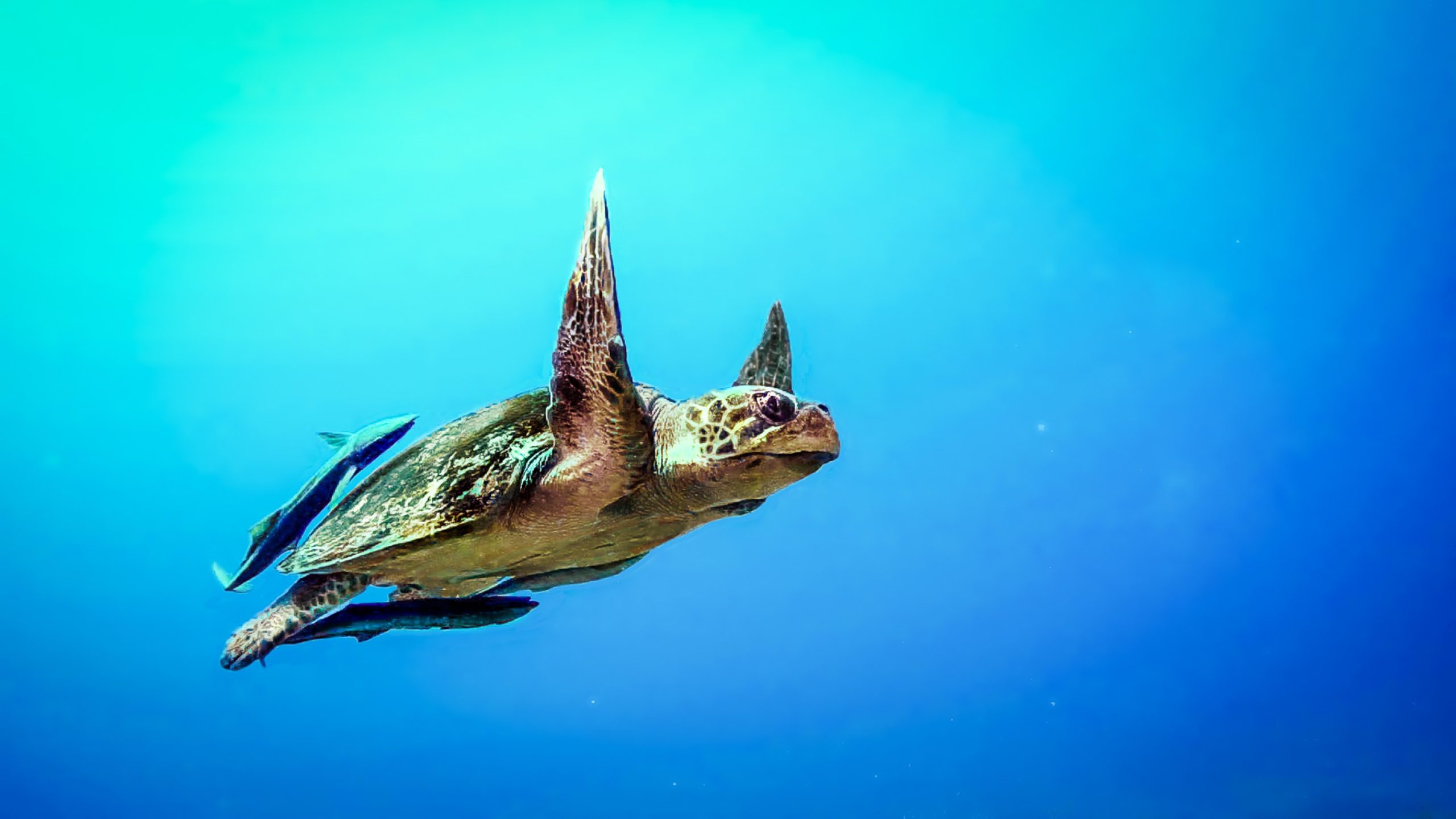
Watching the sun set over the Costa Verde coast from a boat, with Ilha Grande's silhouette in the background and a caipirinha in hand, is one of those travel moments that actually lives up to the expectation. Several operators run sunset catamaran tours in the late afternoon, circling the island's western coast as the light changes.
These tours typically depart at 4pm, last 2–3 hours, and include snorkelling stops, music, and open bar. Book the day before — they fill up quickly, particularly in summer. The return view of the village lit up at dusk is the perfect end to a day on the island.
How many days do you need in Ilha Grande?
Most visitors spend 3–5 days and feel they could stay longer. Two days is a bare minimum to see the main highlights (Lopes Mendes and the Blue Lagoon). Five days lets you do the longer hikes, explore remote beaches, and actually unwind. A week is ideal if you enjoy walking and water sports.
When is the best time to visit Ilha Grande?
March to November is the ideal window: lower rainfall, calmer seas, and significantly fewer crowds than the December–February peak season. May and June offer perfect hiking weather and near-empty beaches. July sees a Brazilian school holiday rush, then August–October is again peaceful. December and January are popular but very busy — book everything in advance.
Is Ilha Grande safe for tourists?
Yes. Ilha Grande is one of the safest destinations in Brazil for tourists. The island has almost no crime, no vehicles, and a small, close-knit community. Take the usual precautions — don't leave valuables unattended on beaches, keep a low profile at night — but there are very few safety concerns specific to this destination.
Do I need to be fit to enjoy Ilha Grande?
Not at all. Many of the best experiences — the Lagoa Azul, village seafood, boat tours, Praia do Aventureiro — are accessible to everyone. The Lopes Mendes hike involves 1.5 hours of walking on forest paths but is not strenuous. The challenging hikes (Pico do Papagaio, Dois Rios) are optional and best enjoyed if you're comfortable with long days on your feet.
How do I get to Ilha Grande from Rio de Janeiro?
The journey takes around 3h30: a van from your Rio hotel drives you to the ferry terminal at Conceição de Jacareí (~150 km south of the city), then a 30-minute boat crossing to Vila do Abraão. TransferIlha handles the whole thing — hotel pickup, van, and ferry ticket — in one booking, from R$280 per person one way.
One booking covers your hotel pickup in Rio, the van to the coast, and your ferry ticket. No transfers to figure out, no connections to miss.
Book your transfer