Travel guide
What's the best time to visit Ilha Grande?
Weather, tourist crowds and the ideal windows month by month — so you can pick your travel dates based on what you're actually after.
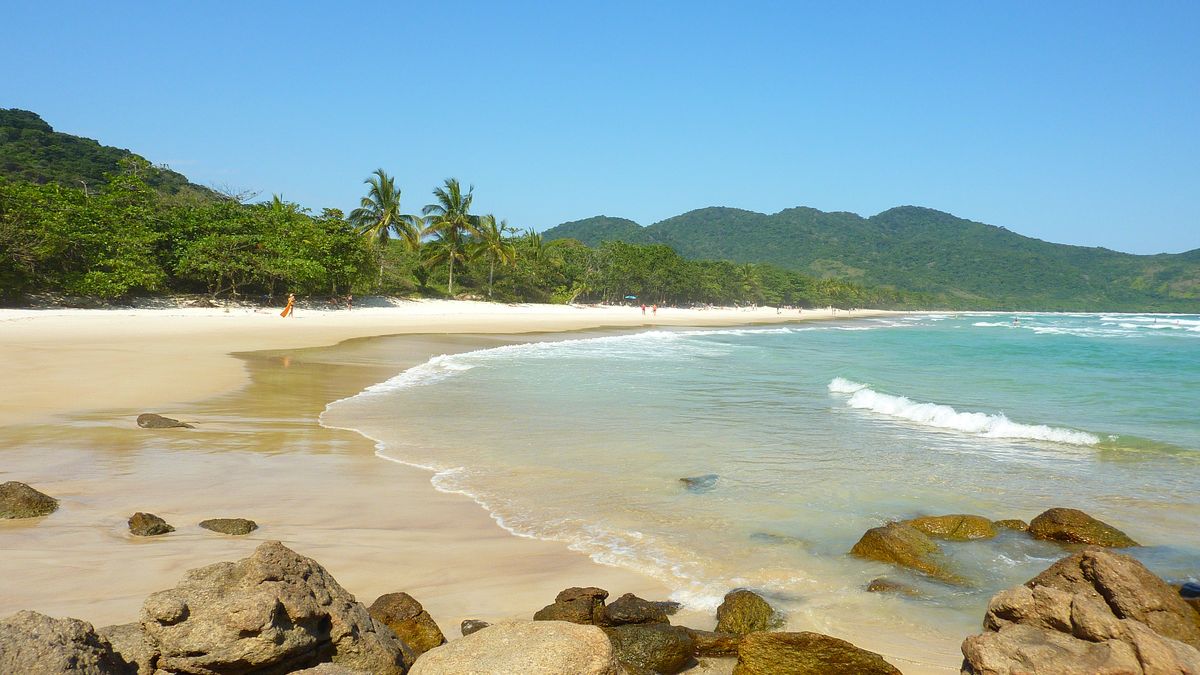
Weather, tourist crowds and the ideal windows month by month — so you can pick your travel dates based on what you're actually after.
Ilha Grande is worth visiting year-round — the Costa Verde's tropical climate never really turns cold. But the season you pick changes the experience a lot: crowds on the best-known beaches, accommodation prices, the odds of rain, and even the color of the water. This guide breaks down the year to help you choose your dates.
Ilha Grande has a humid tropical climate, softened by the ocean. There's no truly dry season in the strict sense — but two broad patterns stand out clearly over the year.
The austral summer (December to March) is hot, humid, and prone to intense but generally short tropical downpours, often in the late afternoon. It's also the hottest stretch, with temperatures regularly above 30°C (86°F). The austral winter (June to August) is drier and slightly cooler, especially in the evenings — bring a light layer for early boat crossings. Sea temperature stays pleasant year-round, between 24 and 27°C.
This is the liveliest stretch of the year on Ilha Grande. Brazilians are on summer break, Vila do Abraão is buzzing, waterfront restaurants and bars run at full tilt, and the mood turns festive — especially around New Year's. It's also the hottest and rainiest period.
Pros: lively atmosphere, long sunny stretches between downpours, warm sea for swimming.
Cons: the standout beaches (Lopes Mendes, Lagoa Azul) get crowded, pousada prices peak, book months ahead.
Rain becomes less frequent, high-season crowds thin out, and prices come down — while the weather stays largely pleasant. May in particular is often cited by regulars as one of the best months for hiking: drier air, less muddy trails, soft light.
Pros: great weather-to-crowd ratio, much quieter beaches, softer accommodation rates.
Cons: a few rainy days still possible, especially early in the season.
This is the driest stretch of the year — ideal for the bigger hikes like Pico do Papagaio or the Dois Rios trail, with dry trails and clear views from the summits. Evenings are cooler (bring a light sweater), but days stay mild and sunny. Watch out for July: Brazilian school holidays push the crowds back up for about three weeks.
Pros: best window for hiking, generally clear skies, low rates outside school holidays.
Cons: July gets busy again; cooler evenings; water slightly less warm than in summer.
After the July peak, the island quiets back down. September and October offer very stable weather, warming seas, and beaches emptying out again. Along with May-June, this is the window most recommended by island regulars.
Pros: quiet, reliable weather, good value.
Cons: a few businesses trim their hours in the quietest stretch — check availability before you go.
| Period | Weather | Crowds | Accommodation prices |
|---|---|---|---|
| May – June | Dry, mild | Low | Low |
| Dec – Feb | Hot, rainy | Very high | High |
| Mar – Apr | Variable | Moderate | Moderate |
| July | Dry, cool | High | High |
| Sep – Oct | Dry, mild | Low | Low |
| November | Variable | Moderate | Moderate |
For hiking and water activities: aim for May–June or September–October. Dry trails, calm seas for the boat crossing, and good visibility for snorkeling at Lagoa Azul or Gruta Azul.
For a lively atmosphere and busy beaches: December–February, crowds and all — it's when Vila do Abraão comes most alive at night.
On a tight budget: April, May, September and October offer the best value on accommodation, outside Brazilian school holidays.
For marine wildlife: during the austral winter (July–November), boat trips around the Baía da Ilha Grande sometimes cross paths with migrating humpback whales along the Brazilian coast — no guarantees, but local captains know where to look.
Should I avoid the rainy season (December–March) entirely?
Not necessarily. Downpours are usually short and concentrated late in the day, leaving sunny mornings. It's a fair trade-off if your vacation dates are fixed — but if you have flexibility, May–June or September–October are more reliable.
What's the quietest month on Ilha Grande?
May, September and October are generally the calmest months — after the year-end high season and after the July school holidays, with weather that's still favorable.
Is the boat crossing rougher during certain periods?
The sea is generally choppier during the rainy season (December–March), with downpours sometimes accompanied by wind. Serious operators, including TransferIlha, adjust or delay departures for safety rather than sailing in poor conditions.
Do transfer prices change with the season?
No — transfer rates stay the same year-round. What changes significantly by season is accommodation pricing on the island and pousada availability.
One booking covers your hotel pickup, the van to the coast and the boat crossing — whatever the season.
Book my transferWant to go further? Check out our complete guide to planning your trip to Ilha Grande.